

American Corporate Partners (ACP) aims to combat veteran and military spouse underemployment by connecting transitioning service members, veterans, and military spouses with corporate mentors who can help guide them into civilian careers.
In 2026, PCG celebrates its third year participating in the ACP Mentorship Program, with 10 employees serving as volunteer mentors. Through these mentorships, employees are helping veterans and military spouses translate their skills and experiences into new opportunities while building meaningful professional relationships along the way.
“ACP has been a fantastic partner for PCG,” said Kimberly Magoon, Evaluation Manager and Military Network (MilNet) EPIC Group Chair at PCG. “Their organization aligns closely with the mission of MilNet; to support veterans, transitioning service members, and military spouses as they build successful civilian careers. We started with just a few PCG mentors and now have nearly a dozen employees volunteering their time through ACP. It has become a meaningful way for our employees to give back while helping others move forward in their careers.”
As our partnership with ACP continues to grow, so does the impact of the mentoring relationships formed through the program. In recognition of that impact, we asked several PCG mentors to share what volunteering with ACP means to them, what they have learned through the experience, and why they encourage others to get involved.
What does being an ACP mentor mean to you, and how do you see this role shaping your impact on veterans and military spouses?

“Being an ACP mentor, for me, means walking alongside someone through both the professional and personal parts of their journey. What began with a focus on career support, quickly became something much deeper, offering emotional support, encouragement, and simply being present during a challenging transition. In a digital world where real connection is increasingly rare, this mentorship creates space for true human connection- something many people are missing. What I didn’t fully understand is how hard it can be for veterans to navigate life after service. Mentoring, especially someone juggling motherhood, marriage, and the weight of past service, has reminded me how powerful it is just to listen, to relate, and to hold space. As someone who has navigated career re-entry myself, I’ve found that mentorship allows for a special kind of connection rooted in empathy and shared experience. It’s not just about helping someone find a job, it’s about affirming their strengths and helping them rediscover their skills, confidence, and hope through a major life change. The impact isn’t just in resumes or interviews, it’s about reminding someone of their value, helping them believe in themselves again. It’s in the moments where someone feels seen, supported, and no longer alone in their journey.”
Tera King Krider, Senior Consultant
What does volunteering with ACP mean to you?
“Volunteering for ACP as a mentor provides me an opportunity to give back to those who have served to protect our freedoms. This has been an eye-opening experience for me to reinforce the value of seeing things through someone else’s viewpoint as well as the challenges these individuals face acclimating to civilian life, I am very grateful to be a sounding board for my mentee as he navigates his new role in the private sector and thank PCG for supporting this program to serve those who answered the call to guard our nation.”
Richard G. Roberts II, Senior Data Architect

What advice would you offer to those thinking about dedicating their time to assist transitioning veterans and military spouses?
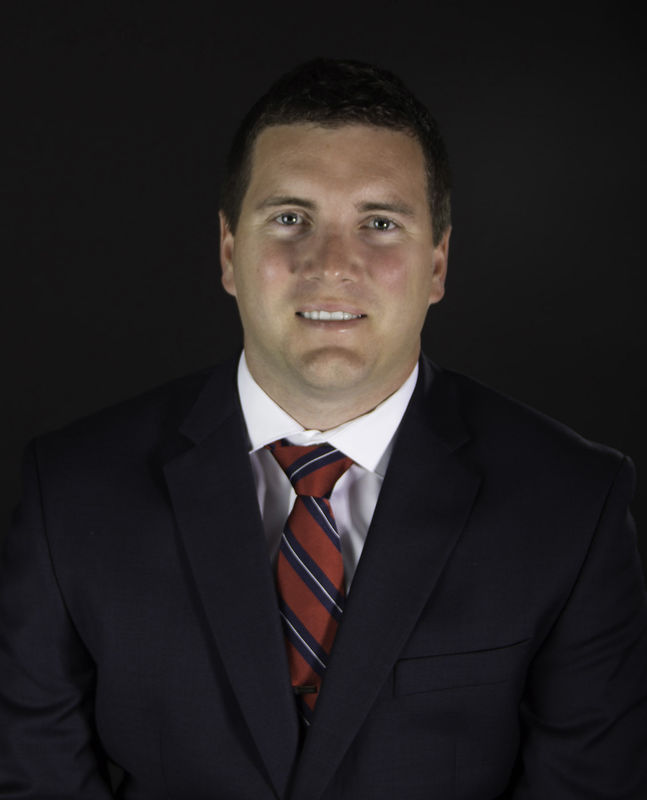
“Volunteering with ACP has been a great way to give back to an organization that personally helped me during my transition out of the Army in 2016. I strive to replicate the reciprocal and rewarding mentor/mentee relationship I enjoyed through ACP with every new mentee I work with.
For those considering volunteering to mentor a transitioning Veteran or Military Spouse, here are a few recommendations:
- You don’t need to be a veteran to be a mentor. Only 1/3 of ACP’s mentors are Veterans. In fact, the perspectives from those in the “civilian world” who have not served oftentimes proves most valuable to a transitioning service member.
- Offer practical advice. Help with resume writing, interview preparation, and career planning. Mentees are looking for practical advice from someone who’s been there.
- Help them hone their story. A Veteran/MilSpouse experience is unique; being able to tell their story and translate their experience to hiring managers can feel like climbing Mt. Everest to some mentees. Help them understand their value and the “so what” of their service.
- Leverage your network. Use your professional connections to open doors for job opportunities, informational interviews, and networking events.
- Enjoy the ride. You’ll learn from your mentee just as much as they learn from you.”
Steve Bane, Technical Project Manager 2

“Volunteering through ACP has shown me how necessary it is for those of us with experience to step forward and support others. Volunteerism isn’t just about giving time, it’s about offering empathy, perspective, and real-world guidance that can make a life-changing difference. It helps fill the gaps that institutional programs can’t always reach. For me, mentoring is a way to give back to an often-overlooked community, to foster connection, and to help ensure that no veteran has to navigate their transition alone. It’s also a reminder that even small acts of support can lead to big impacts, both for the individual and the broader community.
If you’re considering dedicating your time to assist transitioning veterans and military spouses, I highly recommend doing it. Volunteering as a mentor can make a real, lasting difference. For a service member to have spent either 6-8-10 years or potentially 20 or more-year career in the military, it can be challenging to shift into civilian life. Even with programs like Transition Assistance Program (TAP), there’s often a gap between what’s provided and what’s truly needed. That’s where volunteers come in. You don’t need to have served in the military to be a volunteer mentor, outside perspective can be incredibly valuable in helping them understand and adjust to the civilian work culture.
Through my time as a mentor with ACP, I’ve seen firsthand how powerful one-on-one guidance can be. Whether it’s helping someone build confidence, assist in providing education and skills building guidance, navigating how to do a job search, or simply feeling heard, the time and experience provided is invaluable. You don’t need to have all the answers, just being willing to listen, share the journey, and walk beside someone during their transition can mean the world to them. Volunteering in this space isn’t just about giving back; it’s about standing up for a community that’s given so much. If you’re on the fence, take the leap, you’ll likely find it as rewarding as the people you’re helping. I certainly have.”
Jonathan Amador, Consultant
What inspired you to take on this role, and what impact do you hope to make on your mentee’s experience?
“My inspiration to become a mentor came from Steve Bane, Former Chair of MilNet. Steve knows my passion for mentoring others and encouraged me to apply to become a mentor to support the military community through the ACP. Having not personally served in the military; I have a deep respect for the sacrifices made by our service members. The resilience, discipline, and leadership skills that veterans bring are invaluable, and I am passionate about helping them translate these attributes into successful civilian careers. By sharing my professional experiences and providing a supportive network, I aim to empower these individuals to achieve their full potential and continue making a positive impact in their communities. I encourage others to take advantage of this rewarding opportunity. Each mentoring relationship not only allows me to support others but also helps me grow in my career as a leader. The ability to use my PCG Cares volunteer hours is an added bonus.”
Lance Wilson, Director of Technology Communications

A Shared Commitment
Programs like ACP help bridge the gap between military service and civilian careers by pairing these talented individuals with mentors who can help them navigate new opportunities and unlock their full potential.
As we honor Veterans Day this week, PCG recognizes the dedication of its ACP mentors and the lasting impact they are making through service, connection, and career guidance. Their experiences demonstrate that mentorship can change lives, strengthen communities, and help veterans and military spouses confidently begin their next mission.
Learn More: